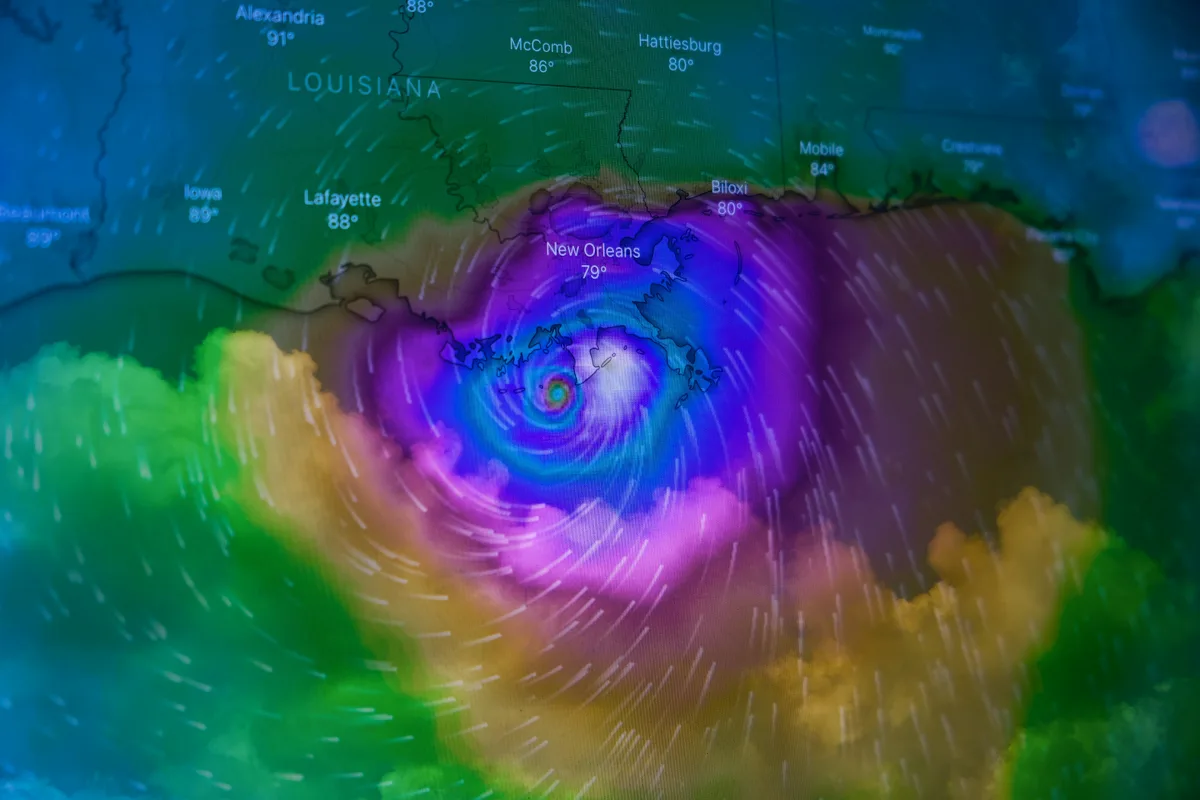
2026 Atlantic hurricane season: odds and predictions
Updated just now
Key Highlights
- The 2026 Atlantic hurricane season runs June 1 to November 30, and forecasters expect a below-average year. NOAA's preseason outlook calls for 8 to 14 named storms, 3 to 6 hurricanes, and 1 to 3 major hurricanes.
- A strengthening El Nino is the reason. El Nino raises wind shear over the Atlantic, which tends to tear storms apart before they organize, and Colorado State trimmed its June forecast to 11 named storms and 5 hurricanes on that signal.
- A quieter forecast is not a safe one. The season still carries a real chance of a major hurricane reaching the US coast, and the strongest storms drive most of the damage. NOAA finds major hurricanes are only about one in five US landfalls but cause roughly 83 percent of the damage.
What will shape the 2026 Atlantic hurricane season
- El Nino strength: a moderate-to-strong El Nino raises Atlantic wind shear and suppresses storm formation, and its exact timing is the single biggest swing factor in the seasonal forecasts
- Sea surface temperatures: the eastern and central tropical Atlantic ran cooler through the spring than in recent years, which removes some of the warm-water fuel that powered the busy seasons before it
- The climatological peak: the overwhelming majority of major-hurricane activity comes between mid-August and mid-October, so a slow June and July say little about the final count
- Landfall geometry: steering patterns, not just storm count, decide whether systems curve out to sea or track toward the Gulf and the East Coast
- Accumulated Cyclone Energy: the metric that captures total seasonal intensity, where Colorado State's June outlook sits below the long-term norm
How prediction markets price the 2026 season
Storm and hurricane counts: Kalshi runs threshold markets on the total number of named storms, hurricanes, and major hurricanes the Atlantic produces in 2026. Read together they reveal the market-implied range for the season, which you can compare directly against the NOAA and Colorado State forecasts.
US landfall risk: Polymarket carries the two markets that matter most for damage: whether any Category 4 and any Category 5 hurricane makes landfall in the United States before 2027. These price the tail risk that a quiet-sounding season can still turn destructive.
First named storm: A mutually exclusive Kalshi market prices which name the first Atlantic hurricane of the year will carry. Because 2026 names are assigned alphabetically from Arthur, it is really a market on how early the first hurricane forms.
Eastern Pacific: Kalshi prices the first named Eastern Pacific hurricane and the basin storm count. El Nino tends to do the opposite of the Atlantic here and lift activity, so the Eastern Pacific reads as the same climate signal from the other side.
Forecast against market: The value of the page is the side by side. Meteorologists publish a seasonal forecast a few times a year; the markets update continuously as storms form, weaken, and make landfall.
hurricane prediction markets
events · markets · Updated just now
Founder & CMO
Legal training meets poker bankroll management. 10 years of content marketing scaled to millions of pageviews. Runs the editorial side, turning platform research and live market data into the answers traders actually search for.
Explainers
Climate & Weather explainers.

Using Climate Prediction Markets to Hedge Weather Risk
Climate prediction markets let you trade and hedge weather outcomes and manage real weather risk.