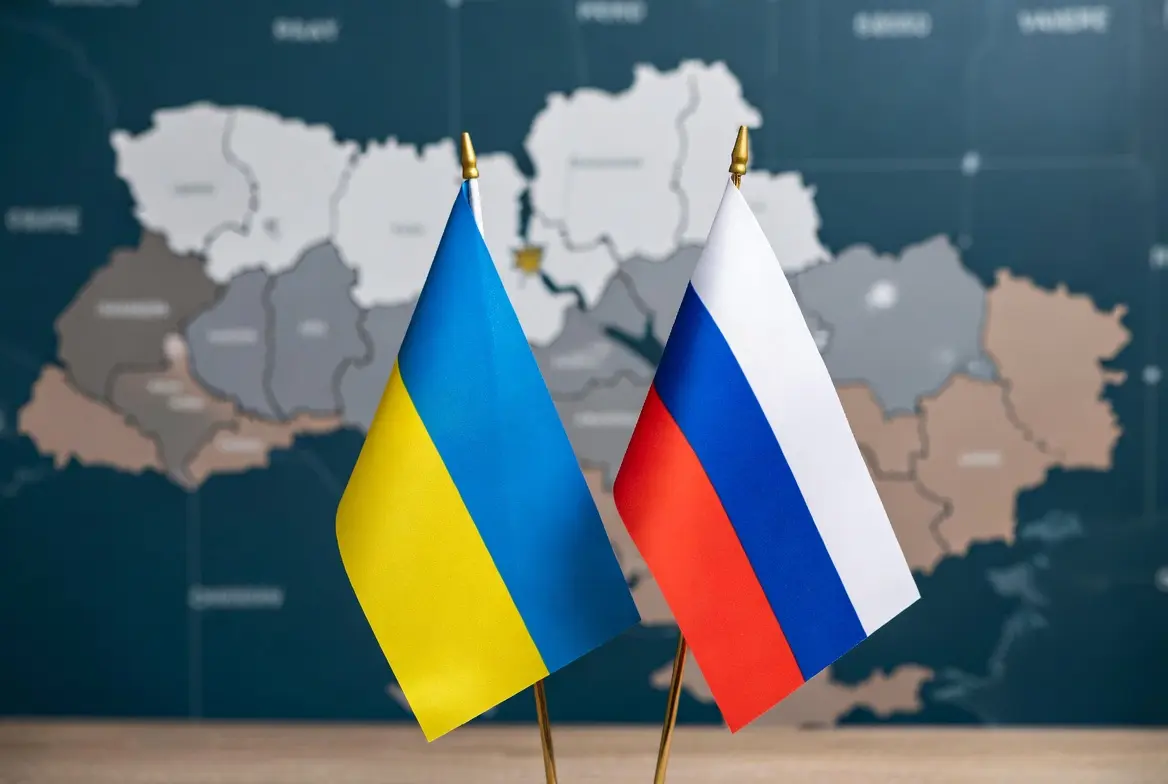
Russia-Ukraine war prediction markets: ceasefire, territory, and escalation

Key highlights
- No general ceasefire is in force. Short truces around Orthodox Easter in April 2026 and Victory Day in May 2026 both lapsed within days. Polymarket prices a Russia-Ukraine ceasefire agreement by December 31 at 35 cents, a ceasefire actually in effect by that date at 23 cents, and a signed peace deal before 2027 at 20 cents, as of August 2026. Those are three different questions, and the distance between them is what the market thinks separates a deal on paper from quiet on the ground.
- Kostiantynivka is the clearest case of contract wording setting the price. Russia said in July 2026 that it had taken the city; Ukraine said its forces still held it. A contract on Russia capturing Kostiantynivka by year end trades at 94 cents, while the contract on Russia capturing all of Kostiantynivka by the same date trades at 55 cents, as of August 2026. Same city, same deadline, two thresholds for control.
- The negotiation and the front line price the same ground by different routes. Ukraine agreeing to give up the rest of the Donbas before 2027 sits at 7 cents and Russia taking all of Donetsk Oblast by force by year end sits at 3 cents, as of August 2026. Neither path is priced as likely inside this year, which is why the ceasefire contracts sit where they do.
What the open contracts turn on.
- Donetsk withdrawal is the single unresolved issue in the US-brokered track. Russia wants Ukraine out of the part of the oblast it still holds; Ukraine refuses to hand over ground its forces control. Ukraine agreeing to give up the rest of the Donbas before 2027 trades at 7 cents, as of August 2026.
- The Fortress Belt is where the fighting is. Russian forces entering Dobropillia by year end prices at 75 cents and Druzhkivka at 42 cents, while Sloviansk and Kramatorsk each sit near 21 cents, as of August 2026. That shape reads as a grinding advance through the southern approaches rather than a collapse of the belt.
- Wording decides the price on the same city. Entering a city, capturing it, and capturing all of it are three separate contracts, and they stopped moving together after Russia’s July 2026 claim on Kostiantynivka. Read the resolution text before treating any two prices as comparable.
- Security guarantees are unsettled. The 35-nation Coalition of the Willing signed the Paris Declaration in January 2026, but binding troop commitments remain open, and a European country formally guaranteeing Ukraine’s security by year end trades at 12 cents, as of August 2026. Follow the wider slate on the politics prediction markets hub.
- Leadership sits underneath all of it. A change in Kyiv or Moscow would rewrite the framework, which is why the departure contracts trade as political stability readings rather than as forecasts of any single event.
How prediction markets price the war.
Agreement, ceasefire, and peace deal: Three contracts price three stages of the same process, and the ordering is the useful part. A ceasefire agreement by December 31 sits at 35 cents, a ceasefire in effect by that date at 23 cents, and a signed peace deal before 2027 at 20 cents, as of August 2026. A shorter deadline prices lower still: the same agreement question by October 31 trades at 15 cents.
The Donetsk front line: City-level contracts track the advance through the Fortress Belt. Russia entering Dobropillia by year end prices at 75 cents, Druzhkivka at 42 cents, and Sloviansk and Kramatorsk near 21 cents each, as of August 2026. Taking the whole oblast by year end prices at 3 cents, so the market reads the campaign as incremental rather than decisive.
Two thresholds, one city: Kostiantynivka carries a capture contract at 94 cents and an all-of-the-city contract at 55 cents for the same year-end deadline, as of August 2026. Lyman shows the same split from the other side: the capture question already settled Yes while the all-of-Lyman contract still trades at 16 cents. The gap is a definition, not a pricing error.
Escalation beyond Ukraine: A military clash between Russia and any NATO member by year end prices at 26 cents, while the narrower US and Russia version prices at 5 cents, as of August 2026. Russia invading a country other than Ukraine in 2026 sits at 9 cents and Ukraine joining NATO before 2027 at 4 cents.
Leadership and diplomacy: Putin leaving the Russian presidency by year end trades at 9 cents on Polymarket and 10 cents on Kalshi, as of August 2026; the venues are pricing the same view through different wording and settlement times, not disagreeing. A Zelenskyy and Putin meeting is priced thinly on both: Polymarket’s no-meeting bracket sits at 93 cents and Kalshi’s direct meet-before-2027 contract at 10 cents.
All related markets.
events · markets
Founder & CEO
Former gaming executive, multiple-time founder, and public and private market investor. Brings the operator perspective most sites can't: why platforms make the decisions they do, and what that means for you.
More news
More in Politics.

2026 Midterm Election Odds: House and Senate Markets
House and Senate control, individual battleground races, and seat count prediction market odds on Polymarket and Kalshi.

Trump Presidency Tracker 2026: Approval & Impeachment Odds
Live Kalshi and Polymarket odds on Trump's second term: how low approval goes, whether impeachment happens, who leaves the Cabinet, the pardon ladder, and the Greenland and 51st-state markets.

Supreme Court Predictions 2026-2027: Next Justice & Rulings
Track the ladder for the next Supreme Court justice, the retirement-watch contracts on Samuel Alito, and the pending cert petitions on sports event contracts, tariffs, and gun rights, priced live on Polymarket and Kalshi.
Explainers
Politics explainers.

The Complete Guide to Political Prediction Markets in 2026
Learn how political prediction market contracts work, where to trade, and where the real edge is.