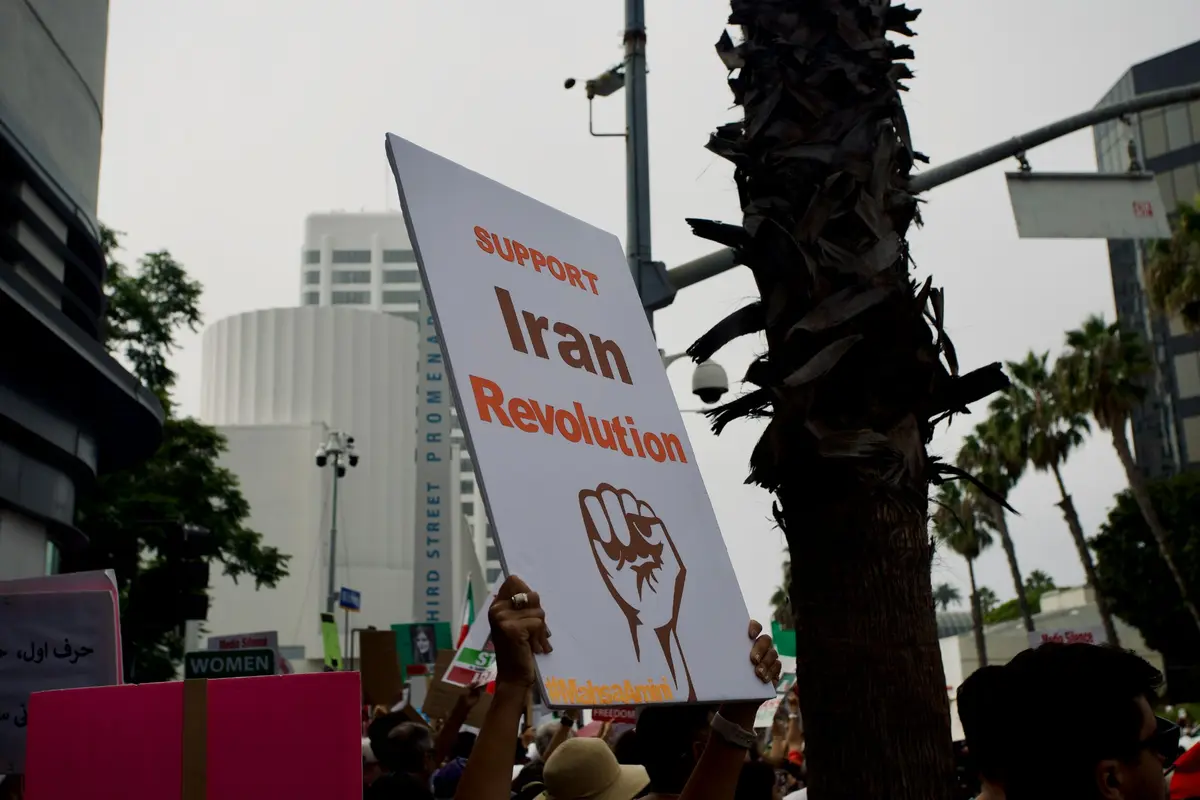
Iran war odds: peace deal, Strait of Hormuz, and nuclear predictions

Key highlights
- The US and Iran reached a framework deal on June 14, 2026 to end the war, mediated by Pakistan and Qatar. Polymarket's permanent peace deal contracts settled YES across every 2026 horizon and have come off the board, so the market has closed the question of whether a deal gets done.
- The deal committed the US to lift its naval blockade and Iran to reopen the Strait of Hormuz, but shipping has been slow to follow. The July 31 reopening contract expired with transit calls still short of the threshold. As of August 2026, Polymarket prices a return to normal by December 31 at about 59 cents.
- Prediction markets on Polymarket and Kalshi turn the open questions into live prices: when Hormuz traffic recovers, what happens to Iran's enriched uranium, whether a formal nuclear agreement follows, who leads Iran at the end of 2026, and whether the peace survives the year.
What will move Iran war odds next.
- When the Strait of Hormuz reopens. As of August 2026, Polymarket prices a return to normal traffic by December 31 at about 59 cents, while Kalshi's PortWatch ladder runs from roughly 18 cents before October to roughly 48 cents before January 2027; the market says months, not weeks.
- Whether a formal nuclear agreement follows. Kalshi's contract on a new US-Iran nuclear deal trades around 23 cents as of August 2026. Polymarket's own nuclear deal contract settled on the June framework, so the two venues are answering different questions; the resolution rules, not the headline, explain the gap.
- What happens to the enriched uranium. Polymarket prices Iran agreeing to end enrichment by December 31 near 26 cents and agreeing to surrender the stockpile by the same date near 11 cents, both as of August 2026, so the market expects limits sooner than it expects handover.
- Whether the regime holds and who leads it. Polymarket prices Mojtaba Khamenei to still be head of state at year-end around 85 cents, a broader leadership change by December 31 around 16 cents, and a Reza Pahlavi return around 4 cents, all as of August 2026.
- Whether the peace survives the year. A US invasion of Iran before 2027 still trades around 22 cents on Polymarket as of August 2026 and a formal declaration of war around 5 cents, so the market has not closed the book on escalation.
How prediction markets price the Iran deal.
Ceasefire & Diplomacy: Polymarket's permanent peace deal contracts settled YES and have come off the board, so the live diplomacy trade is the nuclear track. Kalshi's contract on a new US-Iran nuclear deal trades around 23 cents as of August 2026, while Polymarket splits the same subject into narrower questions: an end to enrichment by December 31 near 26 cents, and a surrender of the enriched uranium stockpile by year-end near 11 cents. The venues word the question differently, and the resolution rules, not the headline, explain the gap.
Strategic Targets & Hormuz: For the question of when the Strait of Hormuz reopens, Polymarket prices a return to normal by December 31 at about 59 cents as of August 2026. Kalshi resolves on a specific public feed: the 7-day moving average of transit calls reported by IMF PortWatch must clear 60, and its ladder runs from roughly 18 cents before October to roughly 61 cents before July 2027. The July 31 contract expired with traffic still short of the threshold, so the autumn rungs are where the real disagreement now sits.
Regime Change: Year-end contracts price whether the Iranian regime falls (around 7 cents on Polymarket as of August 2026), whether Mojtaba Khamenei is still head of state at year-end (around 85 cents), whether any leadership change lands by December 31 (around 16 cents), and whether exiled figure Reza Pahlavi returns to lead (around 4 cents). Read the spread: the market prices meaningful churn at the top without regime collapse.
Military Escalation: For traders asking whether the war reignites, the live contracts are a US invasion of Iran before 2027, trading around 22 cents on Polymarket as of August 2026 despite the settled peace deal, and a formal US declaration of war by December 31 at around 5 cents. The distance between the two says the market treats a renewed use of force as far more likely than any declaration that names it.
All related markets.
events · markets
Founder & CEO
Former gaming executive, multiple-time founder, and public and private market investor. Brings the operator perspective most sites can't: why platforms make the decisions they do, and what that means for you.
More news
More in Politics.
2026 Midterm Election Odds: House and Senate Markets
House and Senate control, individual battleground races, and seat count prediction market odds on Polymarket and Kalshi.
Trump Presidency Tracker 2026: Approval & Impeachment Odds
Live Kalshi and Polymarket odds on Trump's second term: how low approval goes, whether impeachment happens, who leaves the Cabinet, the pardon ladder, and the Greenland and 51st-state markets.
Supreme Court Predictions 2026-2027: Next Justice & Rulings
Track the ladder for the next Supreme Court justice, the retirement-watch contracts on Samuel Alito, and the pending cert petitions on sports event contracts, tariffs, and gun rights, priced live on Polymarket and Kalshi.
Explainers
Politics explainers.
The Complete Guide to Political Prediction Markets in 2026
Learn how political prediction market contracts work, where to trade, and where the real edge is.